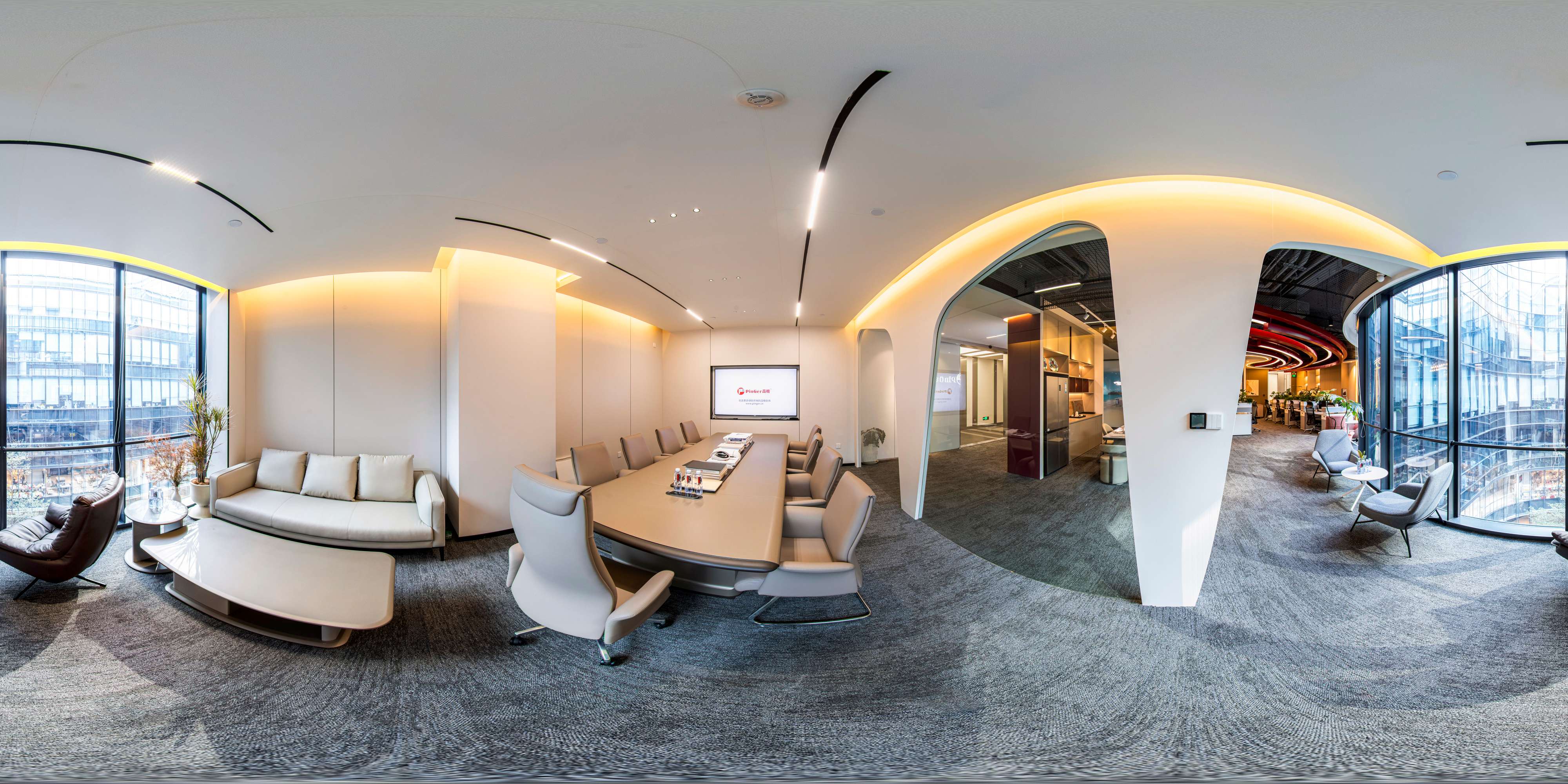
For most commercial and healthcare interiors the wall-finish decision looks binary at first glance — repaint the drywall, or cover it with a rigid vinyl panel. The right answer depends on how the wall is actually used, not on first cost. A homogeneous, colour-through antibacterial rigid vinyl wall panel, with a silver-ion surface verified to JIS Z 2801 (R≥2.0) and ASTM G21, fire data to ASTM E84 Class A or EN 13501-1, chemical resistance to ASTM D543 and impact to ASTM D256, beats painted drywall on hygiene, impact and lifecycle in any space with traffic, moisture or a cleaning load. This comparison lays out where each material wins and where vinyl is simply the safer specification.
Painted drywall is a wet process end to end: board, joint compound, sanding, primer and two coats of paint, then days of curing and odour before the room can be occupied. Rigid vinyl is a dry-install system — panels are bonded or mechanically fixed directly over existing paint, tile or sound plasterboard with no wet trades, so a corridor bay or a ward can be completed in a single shift and occupied the next day. For a live hospital, school or occupied office that schedule difference is often the deciding factor, and it removes the VOC load of fresh paint from a space people return to immediately.
Painted plasterboard is porous. It absorbs moisture at every chip and scuff, and once the paint film is broken the substrate behind it can harbour microbes that no amount of surface wiping removes. A homogeneous vinyl panel is non-porous and seamless: hot-air welded seams and coved internal corners leave no grout line or open joint for contamination to collect, and the silver-ion surface is documented to JIS Z 2801 (R≥2.0 antibacterial activity) and ASTM G21 (28-day antifungal, 0 rating). In infection-sensitive zones — wards, clinics, kitchens, washrooms — that closed, washable surface is a specification requirement, not a nice-to-have.
Drywall dents, chips and shows every trolley and chair strike; a repaint only hides the damage until the next hit. Rigid vinyl is specified to ASTM D256 impact resistance and, critically, is homogeneous through the core: the colour runs the full thickness, so a scuff or scratch can be lightly abraded and the surface keeps its presented finish instead of exposing a pale substrate under a thin skin. Pair the sheet with corner guards, wall guards, crash rails and handrails at the recognised strike zones and the wall keeps looking new through years of use.
Repeated disinfection is where painted walls fail fastest. Standard paints dull, chalk and stain under quaternary ammonium, bleach and alcohol-based cleaners, while a vinyl face verified to ASTM D543 chemical resistance tolerates the same agents without degradation. In wet and food-prep areas, welded seams with coved corners let vinyl carry the wall down to the floor as a continuous, tankable surface — something painted drywall can never do without a separate, failure-prone waterproofing layer.
Gypsum drywall has inherent fire resistance, but a vinyl face must be specified correctly: require ASTM E84 Class A or EN 13501-1 (B-s1,d0) with low smoke development and no dripping. Because a homogeneous panel is the same material throughout, the fire classification is consistent across the whole sheet rather than dependent on a thin decorative skin — important where surface-burning behaviour is a life-safety calculation rather than a checkbox.
A painted wall re-enters the maintenance cycle the moment it is marked, and repainting a busy corridor every few years is a recurring cost in labour, access and disruption. Operators who switch to washable homogeneous sheet systems commonly report around 40% fewer maintenance events, because most marks are removed by cleaning rather than by repainting. Lower first cost for drywall is real, but over a ten-year horizon the vinyl wall usually costs less to keep presentable — and never closes a corridor to do it.
Colour-through panels let corporate or clinical brand colours be part of the wall itself rather than a film that peels at the edges, with OEM colour matching and digital-print options. On sustainability, a homogeneous vinyl sheet is a single-material product that is easier to recycle at end of life than a laminated composite, and it is supported by EPD, LEED and SGS documentation under ISO 9001 / ISO 14001 / ISO 45001 systems. Drywall is recyclable too, but the paint and joint compounds attached to it complicate that loop.
Guangzhou PinGer Vinyl Material Co., Ltd.(广州市品格新材料股份有限公司)manufactures the PinGer® Antibacterial Rigid Vinyl Wall Panel range: homogeneous, silver-ion antibacterial, weldable panels produced under ISO 9001 / ISO 14001 / ISO 45001 systems and supported by CE, SGS, LEED and EPD documentation. Panels are supplied 1.22 m wide up to 3.0 m long in more than ten textures, with OEM colour matching and digital-print options, together with matching corner guards, wall guards, crash rails and handrails — one coordinated, documented wall-protection package that beats painted drywall where hygiene, impact and lifecycle actually matter.


 English
 français
 Deutsch
 русский
 italiano
 español
 português
 العربية
 한국의
 Tiếng việt
 Indonesia
 中文


 IPv6 네트워크 지원